Event Recording
Organizers
in collaboration with
Background
The FSC-IF was established in 2018 with headquarters in Panama to support Indigenous Peoples themselves as drivers of change for their territories, development, and rights, and their active role in forest and nature-based solutions.
The FSC-IF implements a program called the Indigenous Peoples Alliance for Rights and Development (IPARD) through a Global Development Alliance between USAID and the Forest Steward Council. The IPARD Program has three pillars:
- Objective 1: Organize and convene a capacity building program for Indigenous Peoples' organizations and stakeholders;
- Objective 2: To foster an enabling environment for the recognition, effective participation and joint decision-making of Indigenous Peoples in matters affecting them; and
- Objective 3: Promote the sustainable development of Indigenous Peoples based on sustainable economic models.
Indigenous territories are a source of global solutions to climate change and carbon cycle management, while delivering sustainable livelihoods and strengthening sustainable forest economies.
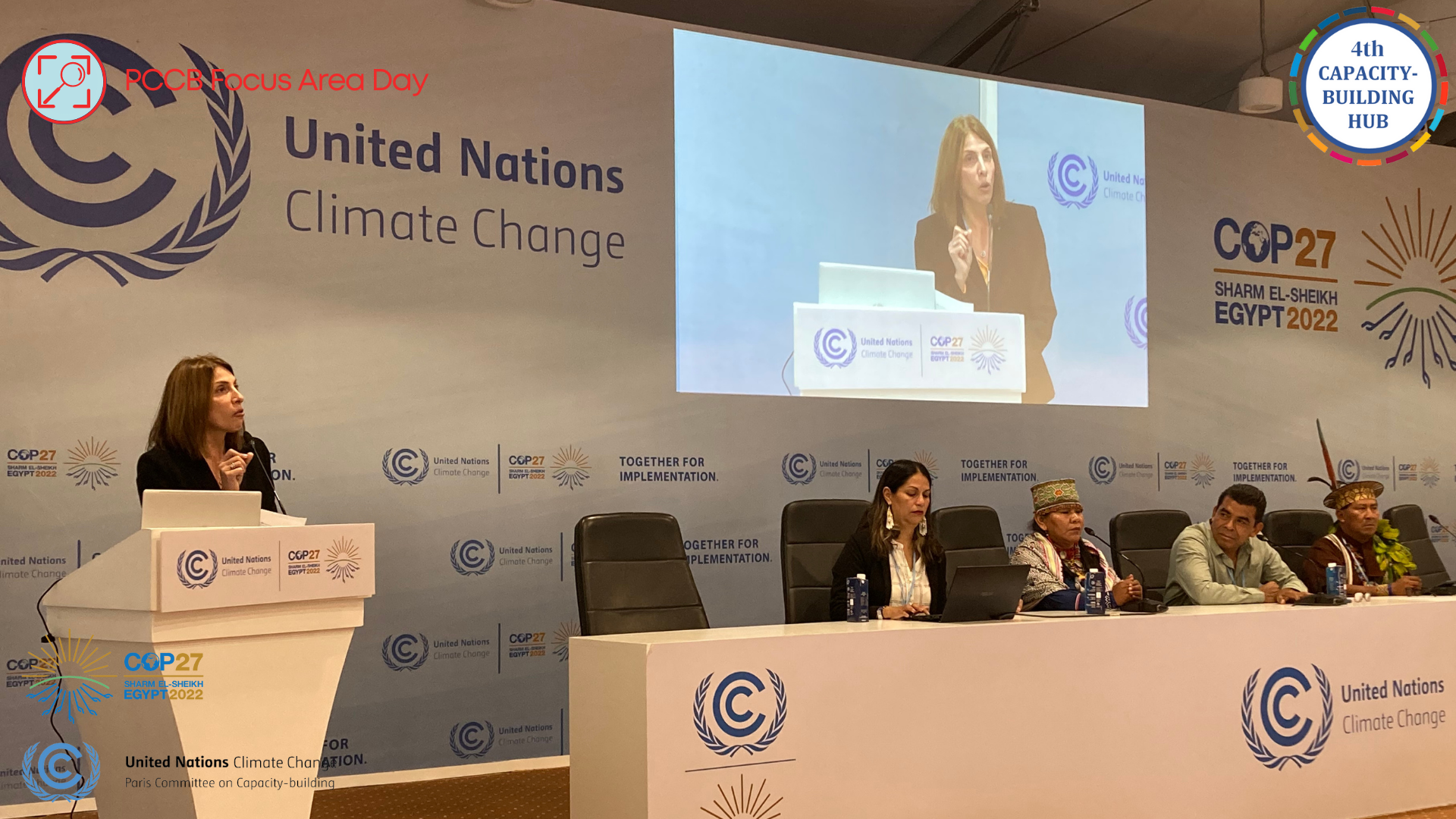
There is a recognized need to develop the capacities of Indigenous Peoples (IP) regarding the technicalities of the climate change agreements, the limitations that need to be overcome for IP to participate in the national and international climate change arena effectively and to be part of the carbon market opportunities as a strategy to channel funds for IP forest conservation and management. Highlighting experiences of IP with the capacities on this subject and influencing their governments through the NDCs, carbon-related regulations and monitoring systems is the best motivation tool for promoting and replicating successful Indigenous-led activities among IP of other latitudes and key stakeholders that could support them.
Objectives
-
Highlight the importance for Indigenous Peoples to engage with governments at the national level to influence their NDCs
-
Identify the areas of capacity development that the donor community should ensure to focus on to empower Indigenous Peoples for climate change action.
Speakers
- Levi Sucre, Coordinator, Mesoamerican Alliance of Peoples and Forests (AMPB)
-
Diana Mori, Community Forest Promoter, Association for Research and Integral Development (AIDER)
-
Marioldys Sánchez, Project Manager, Association for Research and Integral Development (AIDER)
Moderator
Key Outcomes
- Capacity-building is needed both for indigenous communities regarding accessible information and community support, but also for non-indigenous stakeholders regarding cultural and spiritual understandings of forests when creating REDD+ schemes.
- Capacity-building should be to and from indigenous communities on all levels, with particular recognition of indigenous women as ‘knowledge-weavers’ within their communities.
- The importance of strategic partnership to co-create with indigenous communities’ capacities - building on indigenous traditional and ancestral knowledge.